Work with us on your next project!

      Work with us on your next project!

      Ductwork Manufacturing in the Philippines

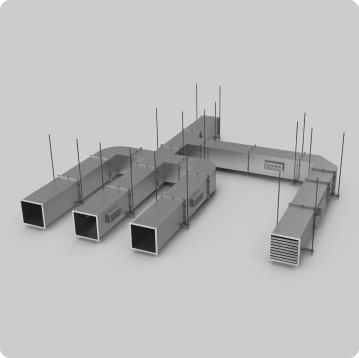
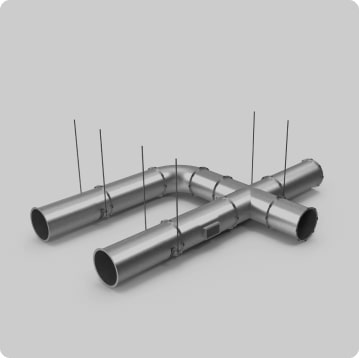
      F.R. Sevilla manufactures rectangular and non-spiral round ducts in its own plant. We work with G.I. sheet, B.I. sheet, stainless steel and aluminum sheet, and use the SMACNA Duct Construction Standard for fabrication.

      Send your duct drawings, material specifications and quantities so our team can review the fabrication requirements and prepare a quotation.

      Duct Types & Materials

      Our plant produces rectangular ducts and non-spiral round ducts. Specify the duct shape and dimensions in your enquiry, together with the required sheet material and thickness.

      MaterialInformation to include in your enquiry
      G.I. sheetRequired sheet specification, thickness and duct dimensions
      B.I. sheetRequired sheet specification, thickness and duct dimensions
      Stainless steelRequired grade, thickness and duct dimensions
      Aluminum sheetRequired sheet specification, thickness and duct dimensions

      Include duct fittings and accessories in your quantity schedule where required, with drawings or specifications for the team to review.

      Proper ductwork fabrication is crucial for the optimal functioning of HVAC systems that provide conditioned air throughout a building. It involves the creation of ducts that meet precise specifications such as size, shape, material selection, airflow, and pressure requirements. 

      For businesses in the Philippines, partnering with a reputable ductwork manufacturer is essential. Here are some key reasons why ductwork fabrication plays a vital role in the HVAC industry in the Philippines.

      Fabrication at Our Own Plant

      Our duct production line includes coil feeding, shear cutting, grooving, lock forming and hydraulic bending. These stages prepare and form the sheet material used in fabrication.

      1. Coil feeding: feeds sheet material into the production line.
      2. Shear cutting: cuts the sheet material for fabrication.
      3. Grooving: forms grooves in the sheet.
      4. Lock forming: forms the edges used for lock joints.
      5. Hydraulic bending: bends the sheet into the required profiles.

      The fabrication requirements depend on the duct type and project specifications. Include any specified joints, connections or finishing requirements with your enquiry.

      Design and Measurement

      1

      Design and Measurement

      The first step in ductwork fabrication is to design and measure the space where the ductwork will be installed. In F.R. Sevilla, we work with our trusted consultants to craft designs based on the measurements provided by clients.

      Material Selection

      2

      Material Selection

      Once the design is finalized, the next step is to select the appropriate materials for the ductwork system. This may include galvanized steel, aluminum, or other materials, depending on the requirements of the system and the specific building needs.

      Cutting and Shaping

      3

      Cutting and Shaping

      The selected materials are then cut and shaped into the appropriate pieces required for the ductwork system. This may involve the use of specialized equipment such as cutting machines, bending machines, and other tools.
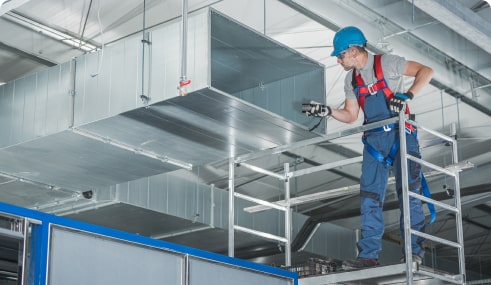
      Assembly

      4

      Assembly

      The individual pieces of ductwork are then assembled into the complete ductwork system. This may involve welding, riveting, or screwing the pieces together, depending on the materials and design of the system.
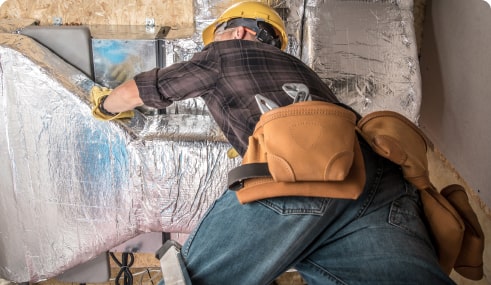
      Insulation

      5

      Insulation

      Depending on the building requirements, the ductwork may need to be insulated to prevent heat loss or gain. This involves wrapping the ductwork in insulation materials such as fiberglass or foam.
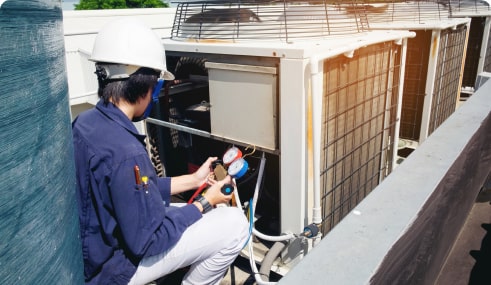
      Quality Control

      6

      Quality Control

      Once the fabrication is complete, the finished ductwork system is inspected to ensure that it meets the required standards for quality, safety, and functionality.
      Fabrication Standard & Project Requirements

      We use the SMACNA Duct Construction Standard for duct fabrication. Send the applicable project specifications, including any required standard edition, pressure class, joint details or inspection requirements, for review before an order is confirmed.

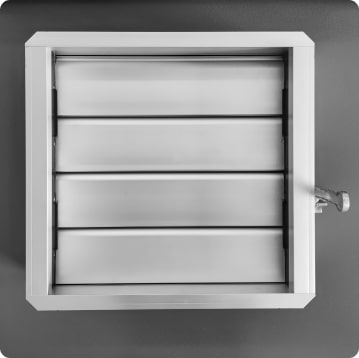
      Our products include:

      Discuss Your Ductwork Requirements

      Contact F.R. Sevilla with your drawings, specifications and quantities to discuss duct fabrication for your project. If some details are still being developed, identify them in your enquiry so the team can clarify what is needed for a quotation.

      Request a Ductwork Quotation

      For a wider project scope, explore our HVAC contracting services.

      FAQs about Ductwork Manufacturers in the Philippines

      How do I know what type of ductwork I require for my building?

      When recommending ductwork, factors such as building size, HVAC system type, number of occupants, airflow requirements, and heat load are considered to ensure efficient performance and occupant comfort.

      Can ductwork be relocated or modified?

      Yes, ductwork can be relocated or modified if changes need to be made to the building layout or HVAC system. A professional HVAC contractor can assess the system and determine the best course of action.

      When should old ductwork be replaced or refurbished?

      As a leading ductwork manufacturer, we recommend evaluating and considering the replacement or refurbishment of old ductwork if it exhibits significant damage, such as leaks, corrosion, or insulation deterioration. If your ductwork is over 15-20 years old and no longer meets modern performance standards, it may be time to consult with us to explore our high-quality ductwork solutions. Our expertise and range of products can help optimize your HVAC system's efficiency and ensure superior indoor air quality. Contact us today for professional guidance on ductwork replacement or refurbishment.